Understanding Fibroids
Common, Benign Growths
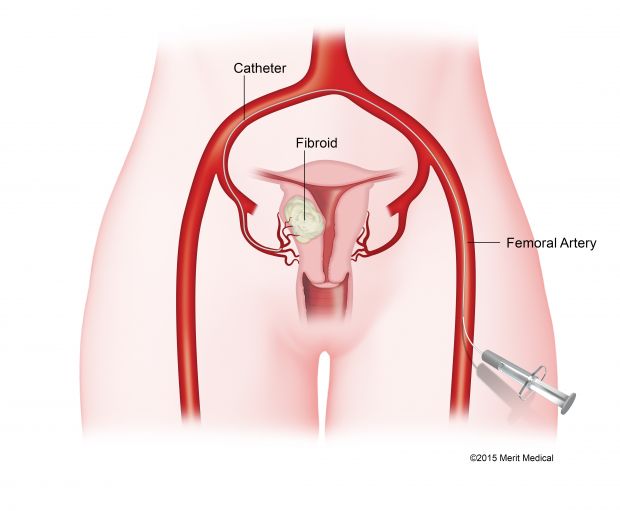
Uterine fibroids are very common non-cancerous (benign) growths that develop in the muscular wall of the uterus. They can range in size from very tiny to larger than a cantaloupe, and there is often more than one fibroid in the uterus.
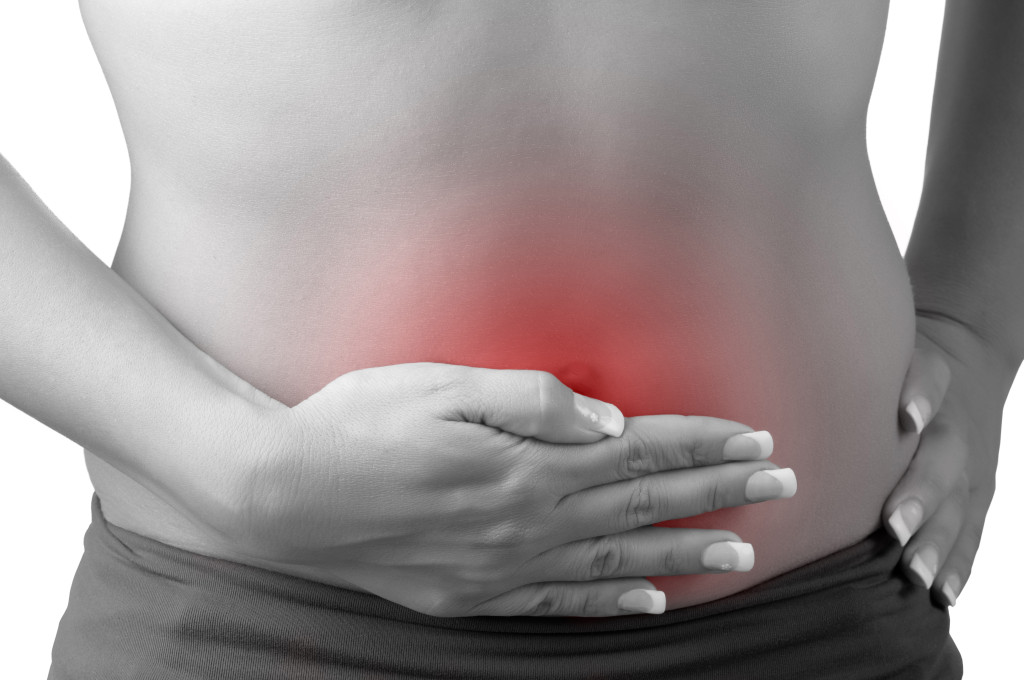
While fibroids do not always cause symptoms, their size and location can lead to pain and heavy bleeding for some women. They may grow during pregnancy and typically improve after menopause as estrogen levels decrease.
Types of Fibroids
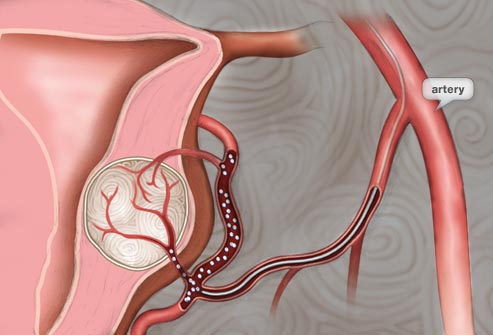
Where Fibroids Can Grow
Subserosal
Develop under the outside covering of the uterus and expand outward, sometimes causing pelvic, back, or pressure symptoms.
Intramural
Develop within the uterine wall and are the most common type. They may contribute to heavy bleeding and pelvic pressure.
Submucosal
Develop just under the uterine lining. Even small fibroids can cause very heavy or prolonged menstrual bleeding.
Pedunculated
Subserosal fibroids can develop a stalk-like base. Ultrasound or MRI can help clarify the diagnosis.
Symptoms
When Fibroids Cause Problems
Most uterine fibroids do not cause symptoms, and only 10 to 20 percent of women who have fibroids require treatment. Symptoms can vary based on the size, location, and number of fibroids.
Heavy Bleeding
Pelvic Pressure
Back or Leg Pain
Bladder or Bowel Changes

MRI Planning
Better Imaging, Better Options
Women often begin with an ultrasound, but MRI is the standard imaging tool used by interventional radiologists for fibroids. MRI can help determine whether a tumor can be embolized, identify alternate causes of symptoms, and support more informed treatment decisions. By working with your gynecologist, the AI3 team uses imaging to help guide diagnosis, education, treatment options, and outcomes.